Car insurance



It’s a common misconception that buying car insurance means you’re fully protected from all potential accidents. You might assume you’ll be covered whether you rear-end someone or back into a telephone pole, but the reality is that standard policies often have limitations.
To ensure you’re adequately protected in collisions, regardless of fault, you often need additional types of coverage, such as collision coverage.
If this is something you’re currently thinking about adding to your policy, continue reading this article as it answers the key questions you’re likely to have, including what collision coverage covers, who can benefit from it, and how it differs from comprehensive car coverage.
Key takeaways
Collision coverage (also known as upset coverage) helps pay for repairs to your vehicle after a collision. In most provinces, it isn’t mandatory or automatically included in car insurance policies, but if your vehicle is leased or financed, your lender will typically require it.
Collision coverage, also referred to as upset coverage, provides financial compensation for repairs to your vehicle after a collision. If your car is totalled and cannot be repaired, it can also help cover the cost of a replacement, regardless of whether you’re at fault or not.
In provinces like Ontario and Quebec, collision coverage is not mandatory and is not automatically included in your policy. This means that you get to choose whether you want to pay extra for the added protection.
However, if your car is leased or financed, your lender will likely require collision coverage to safeguard their investment in case your vehicle is damaged or totalled. For those who own their car outright, meaning it’s fully paid off, this coverage remains optional.
Mandatory types of car insurance, such as third-party liability, are crucial if you ever injure another person or damage their car in an accident. However, they fall short when it comes to protecting your own vehicle. If you’re a driver who feels that this is equally important coverage to have, collision coverage is the answer as it covers the following types of situations:
One of the key benefits of collision coverage is that it protects you even if the collision is your fault. As long as you meet your policy’s terms and conditions and no exclusions apply, your insurer will review your claim and, if approved, compensate you for eligible expenses, such as repairs and towing, up to the limits outlined in your policy.
As any driver knows, there are countless ways your car can be damaged or even totalled that have nothing to do with a collision. For example, a tree might fall on your hood, a hailstorm could dent your roof, or your vehicle could be keyed in a parking lot. While collision coverage won’t address these types of damages, comprehensive coverage can.
The difference between collision and comprehensive coverage can be summarized like this: collision coverage protects against collision-related damage, while comprehensive coverage protects against non-collision-related damage, such as weather and vandalism.
Though they serve different purposes, these coverages complement each other very well and provide a more robust safety net, which is why many drivers choose to add both to their car insurance policy.
| Types of Damage | Collision Coverage | Comprehensive Coverage |
| Collisions with another vehicle | Yes | No |
| Collisions with stationary objects (ex. tree) | Yes | No |
| Collisions with road hazards (ex. potholes) | Yes | No |
| Hit-and-run collisions | Yes | No |
| Rollover accidents | Yes | No |
| Weather damage (ex. hail) | No | Yes |
| Vandalism | No | Yes |
| Theft | No | Yes |
| Fire | No | Yes |
| Falling objects | No | Yes |
Since you are not legally required to have collision coverage, the decision to include it in your policy is entirely up to you. While it may be understandably tempting to dismiss it due to the additional cost, pause and ask yourself a few key questions before making your choice.
If your car is newer or expensive to replace, collision coverage is often recommended because you have more to lose if it gets damaged or totalled. It helps reduce that risk by covering repair costs or giving you compensation if your car is a total loss, so you won’t be left on your own to pick up the bill.
Many lenders and leasing companies mandate collision coverage as a means of protecting their investments. So, if you’re leasing or financing your car, always check the terms of your lease or loan agreement, as it will help you avoid any unexpected costs or penalties down the line.
In 2021, the average collision claim was $8,571. Could you comfortably cover that kind of expense if you were in an accident tomorrow? Even if you could, is it a financial hit you’d rather avoid? If so, collision coverage can help offset the associated repair costs or even a full vehicle replacement, up to the limits outlined in your policy.
Ultimately, all drivers can benefit from the peace of mind that collision coverage provides. However, if you consider yourself an anxious or inexperienced driver, you may be especially concerned about the risks of collisions and the potential costs of repairing your vehicle. If this resonates with you, collision coverage can not only relieve financial stress in the event of an accident but also help you feel more secure behind the wheel.
The purpose of these questions is to help you make an informed decision that aligns with your financial situation and risk tolerance. Whether you choose to include collision coverage or not, the key is to select a level of protection that feels right for you without overextending your budget.
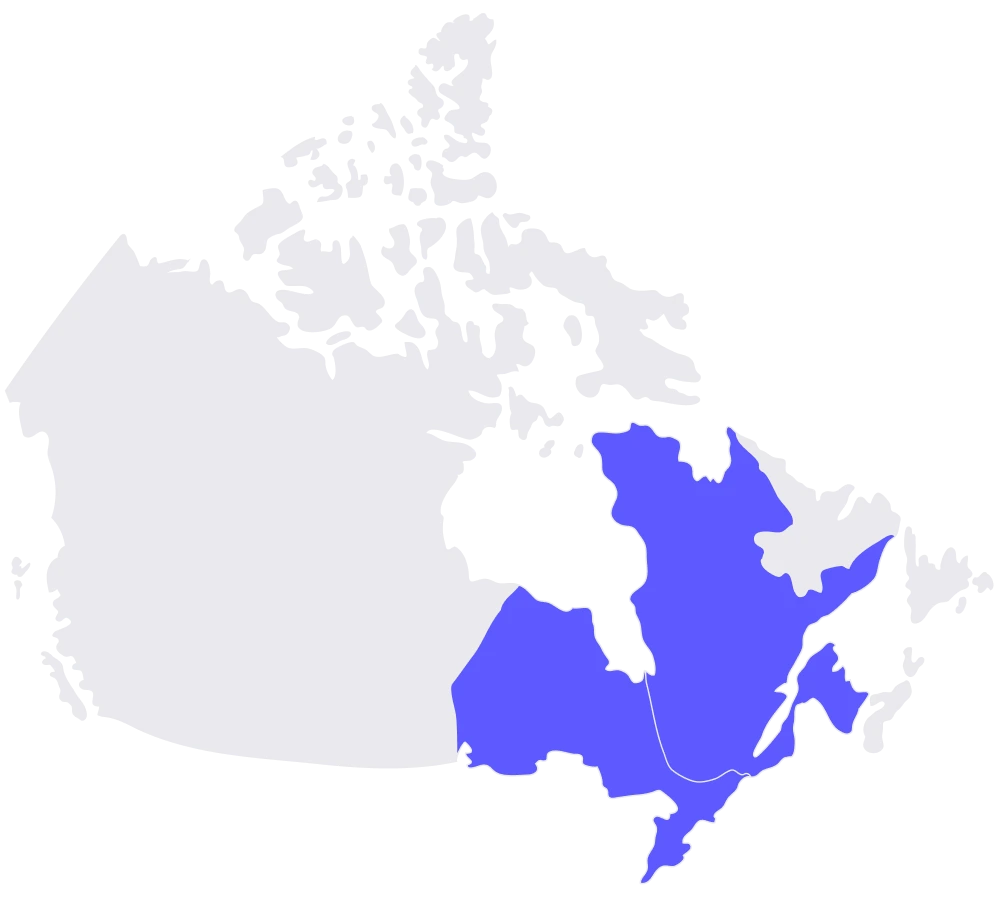
YouSet is a technology-driven insurance platform that simplifies buying and renewing insurance. Combining proprietary technology and the support of AMF and RIBO licensed brokers, we’re making it faster and easier to buy home and car insurance online from top insurers for less.




Get the best price year after year with price alerts at renewal. We’ll even re-shop to find you a better deal.